The architectural firm was founded by Otto Lang and Frank Witchell. Otto Lang was born in Germany in 1864. He came to the United States in 1888 on a wedding trip and decided to stay in Dallas. For a couple of years, he worked for local architects who did work for Texas and Pacific Railway. One of the buildings he designed there was the Texas and Pacific depot in Fort Worth followed by the depots in Wichita Falls, Amarillo, Paris and Weatherford. Lang formed his partnership with Frank Witchell in 1905.
Frank Witchell was born in the south of Wales in England in 1879. He came to the United States with his parents when he was 2 years old and lived in San Antonio where he attended public schools. He had no formal educational training in architecture, but apprenticed in the profession when he was 14 years old. In 1898, he began working with the Dallas firm of Sanguinet and Staats as a designer and draftsman until he joined the newly created partnership with Otto Lang in 1905.
Their partnership was in existence for about 37 years. They designed numerous commercial and residential buildings in Dallas and other towns, including courthouses in Texas. Some of their commercial structures in Dallas are listed below. Other Lang and Witchell Buildings include the Raleigh Hotel in Waco.
The firm dissolved after about 37 years upon Lang’s retirement.
Courthouses in Texas Designed by Lang & Witchell
The firm designed seven courthouses that were completed in Texas between the years of 1909 and 1928. Five are still standing, although the exterior of one (Scurry County) has been enveloped by new construction.
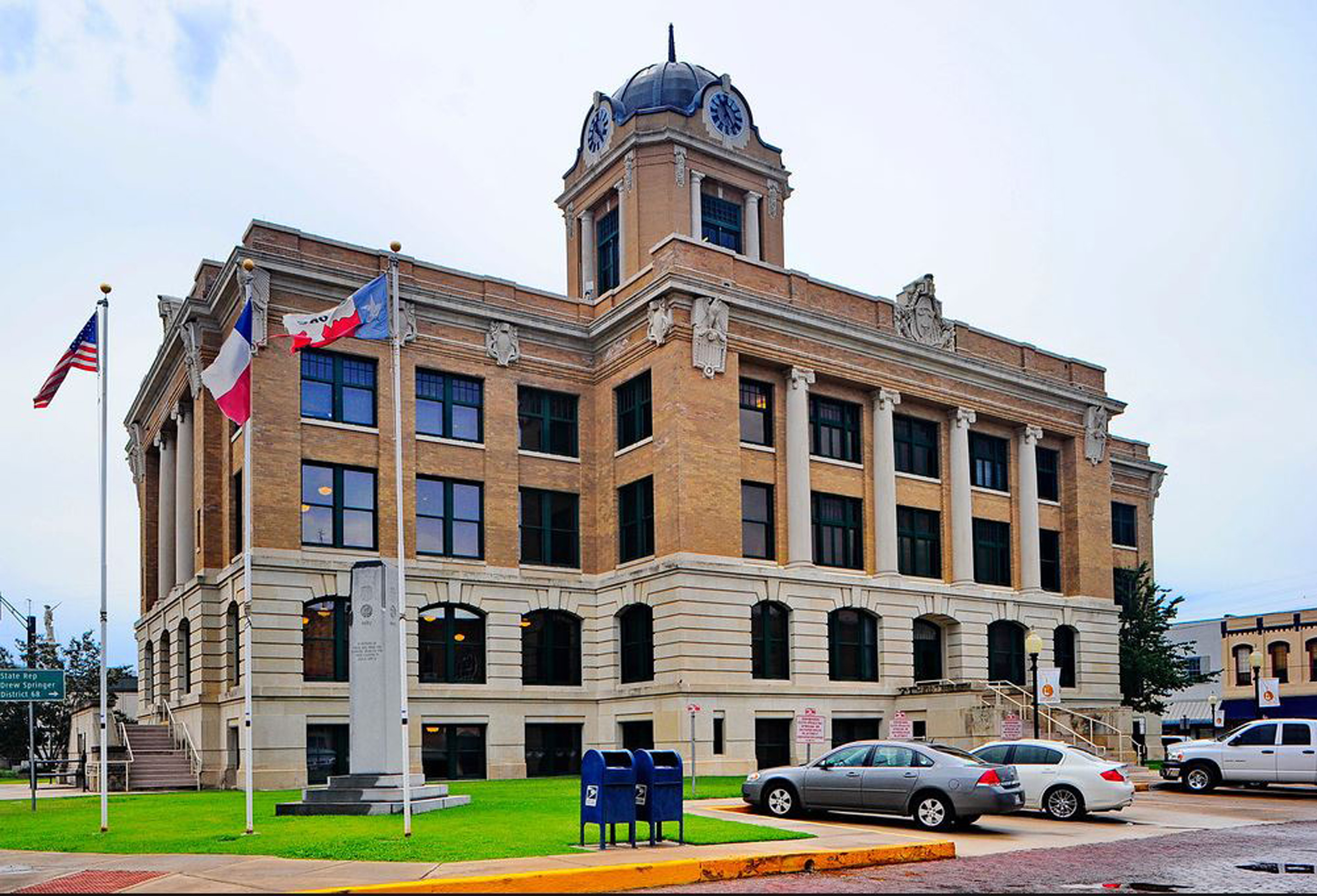
Cooke County (1911) This structure was the county’s fourth courthouse and sits at the corner of Main and Commerce streets. The style is called Beaux-Arts. It is still in use in Gainesville, Texas.
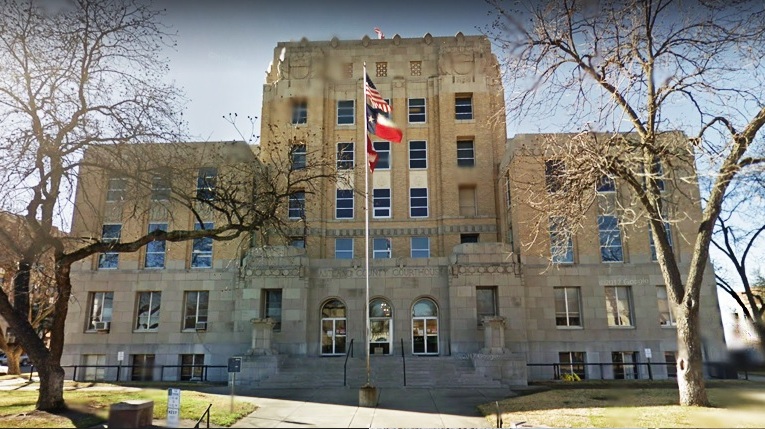
Eastland County (1928) This building was the county’s fourth courthouse and is located at the intersection of Commerce and Lamar. Its architectural style is called Moderne-Art Deco. Christy-Dolph Construction Co. of Dallas was named as the contractor and the initial cost mentioned was $300,000. The structure is still in use in Eastland, Texas.
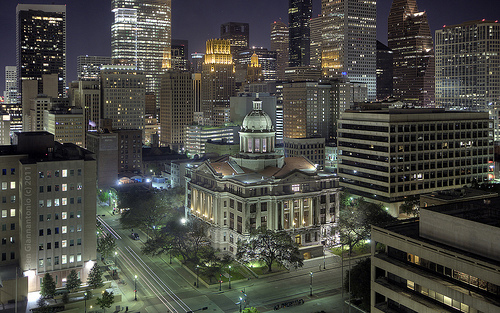
Harris County (1910) This structure served as the county’s fifth (of six) courthouses. It was in use as such for many years until a more modern structure was completed in 1953. It is currently still in use in Harris County as the county Civil Court building. It is also of the Beaux-Arts style. It sits at the corner of Preston and Caroline streets in Houston, Texas.
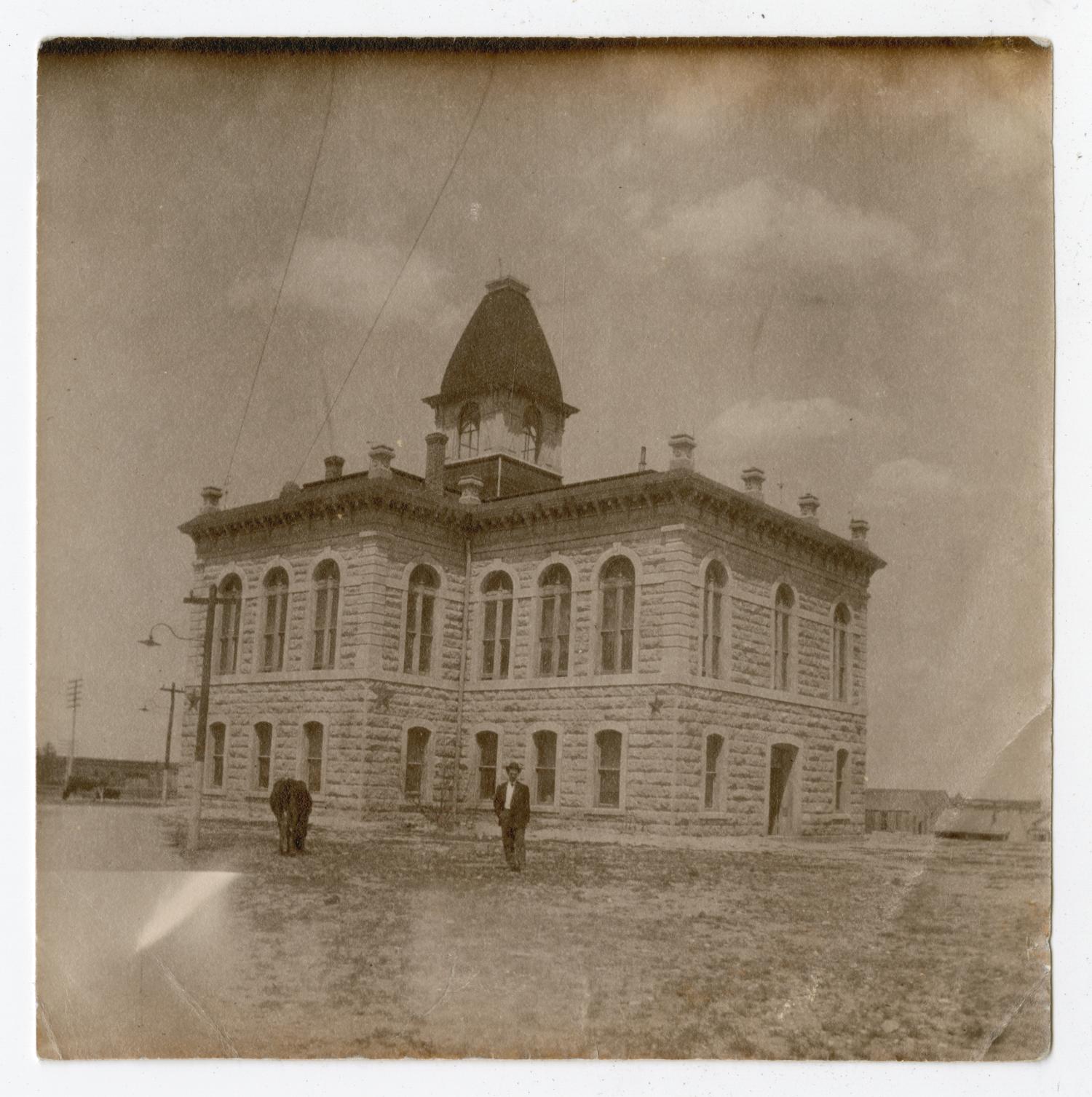
Howard County (1908) This building was the earliest known completed courthouse of the firm and was the second of three county courthouses. It was demolished in favor of a 1950s era structure.
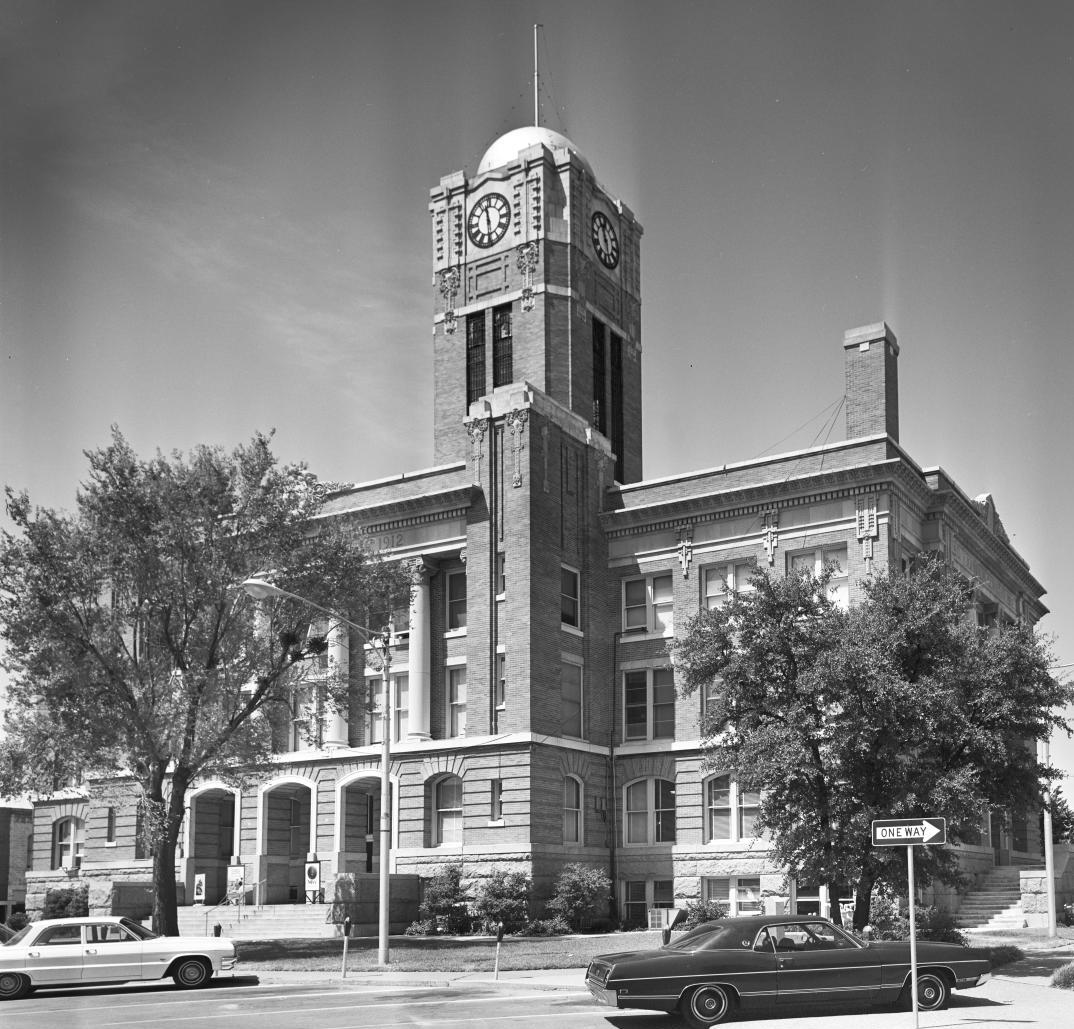
Johnson County (1913) This building is off the Classical Revival style. It sits at the intersection of Main and Henderson streets in Cleburne, Texas.
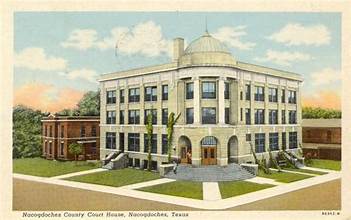
Nacogdoches County (1911) This structure was the fourth of five county courthouses and served until it was demolished in favor of a more modern 1950s building. The building’s features included a three story structure of reinforced concrete with a basement. It was clad in brick and stone and at a cost of $65,000. It originally housed courtrooms, offices and a jail. It was located at the intersection of North and Main streets between what was then the business district and the depot.
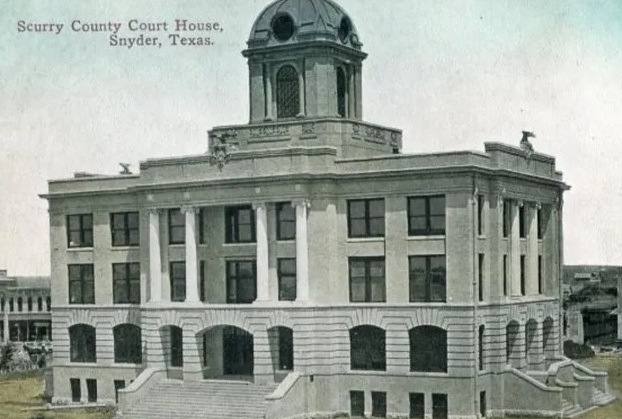
Scurry County (1909) This was the building as it looked after 1911. It was in the Classical Revival style and it sat at the corner of 25th Street and College Avenue in Snyder, Texas. The tower was removed and the entire structure was reclad in granite in the early 1970s.
In addition, the firm designed many other buildings around the state. Their offices were in Dallas, and many buildings were designed for the firm in Dallas County. Some of them are noted below:
Commercial & Institutional Buildings in Dallas
- Sanger Brothers Building (now El Centro College) – A Chicago School / Sullivanesque commercial building in the West End, originally a flagship department store for the Sanger Brothers mercantile business. The structure was completed in 1910.
- Chevrolet Motor Company Building – A 1923 industrial/commercial structure in Deep Ellum, noted for its concrete-and-brick design.
- Higginbotham-Bailey Building – A Renaissance Revival/Chicago school warehouse/office building in downtown Dallas in what was then known as the garment district. The western section of the building was completed in 1914 and additions were added in 1917 and 1923.
- Lone Star Gas Company / Dallas Gas Company Buildings (part of LSG Lofts) – Early Art Deco industrial and office buildings in downtown Dallas that have since been adapted (Lone Star Gas is a 13-story landmark structure). Construction dates begin in 1924 and 1931 with major renovations and additions decades later.
- Western Union Telegraph Company Building (originally the Masonic Blue Lodge Temple) – Completed in 1913, it later housed Western Union. The first and second stories were for business purposes and the remainder was for Masonic lodge activities.
- The Sears building on Lamar Street in Dallas — originally the Sears Roebuck & Co. Catalogue Merchandise Center (now known as Southside on Lamar) — was completed in 1913 with full occupancy being available in 1914. It was unique in many ways, including having a railway siding that ran through the building. It was a reinforced concrete building believed to be clad in local sourced brick. Architectural details include references to a blending of Prairie Style and Sullivanesque features.
- Dallas High School (also known as Central High / Crozier Tech) – A Classical Revival school building completed around 1907.
- Dallas County Records Building (originally known as the Hall of Records) was completed in 1927 and 1928 to house county records, offices and courtrooms. Its architectural style is said to be Gothic Revival.
Civic / Fair Park Works in Dallas
- Highland Park Town Hall – A Spanish Colonial Revival-style civic building constructed in 1923 for Highland Park.
- Fair Park Parry Avenue Entrance & Grand Plaza (and related Fair Park Auditorium facades) – includes Spanish Colonial Revival and monumental fairgrounds elements as part of Fair Park’s development.
- State Fair Music Hall – Opened in 1924 and also said to be of the Spanish Colonial Revival style.
Buildings No Longer Standing
- Dallas Cotton Exchange Building – A 17-story downtown office building, completed around 1926 and demolished in 1994.
- Southwestern Life Insurance Building – A 16-story early skyscraper completed around 1912 and demolished in 1972.
- Downtown Y.M.C.A Building – No longer standing. Completed in 1906
Residential & Other Architectural Work
Lang & Witchell also designed numerous residences and homes in Dallas and nearby Highland Park—including houses in Highland Park and on Swiss Avenue of many styles including Prairie and English style homes. The firm also customized estate houses from the 1900s through the 1920s.
Buildings outside Dallas County
A partial listing of buildings outside Dallas County would include the following: San Angelo Telephone Company Building (San Angelo, Texas), Raleigh Hotel (Waco, Texas), First National Bank Building (McGregor, Texas), Hotel Grace (Abilene, Texas), Union Depot (Wichita Falls, Texas), First Baptist Church (Paris, Texas), Y.W.C.A. Building (El Paso, Texas) and others.
© 2026, all rights reserved.
 Texas History Notebook