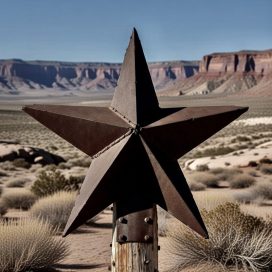
Mexia is located in Limestone County in east central Texas. It was founded in the 1800s and lies just north of Fort Parker with Groesbeck being the nearest town to the south of the fort. Before the Anglo settlement began in the area, it was home to Native American tribes including the Comanche.
Continue reading Mexia, TexasJohn B. Jones, Texas Ranger
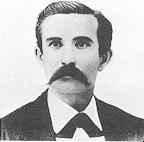
Ranger John B. Jones was born on December 11, 1834 to Col. Henry Jones and Nancy Elizabeth Robertson Jones in South Carolina, the only son of five children. The family moved to Texas in 1839, settling near current day Austin. Mrs. Jones’ brother, Dr. Joseph William Robertson had settled in the area a couple of years earlier and at the time he was practicing medicine from a log cabin around what is now Congress Avenue between 3rd and 4th Streets in Austin. Henry Jones had served in the militia and commanded a regiment under future President of the Republic Mirabeau B. Lamar. He had fought at the battle of Plum Creek and others and was elected to the first Texas Legislature that convened in February, 1846.
Continue reading John B. Jones, Texas RangerMurder of “Alamo” Actress, 1959
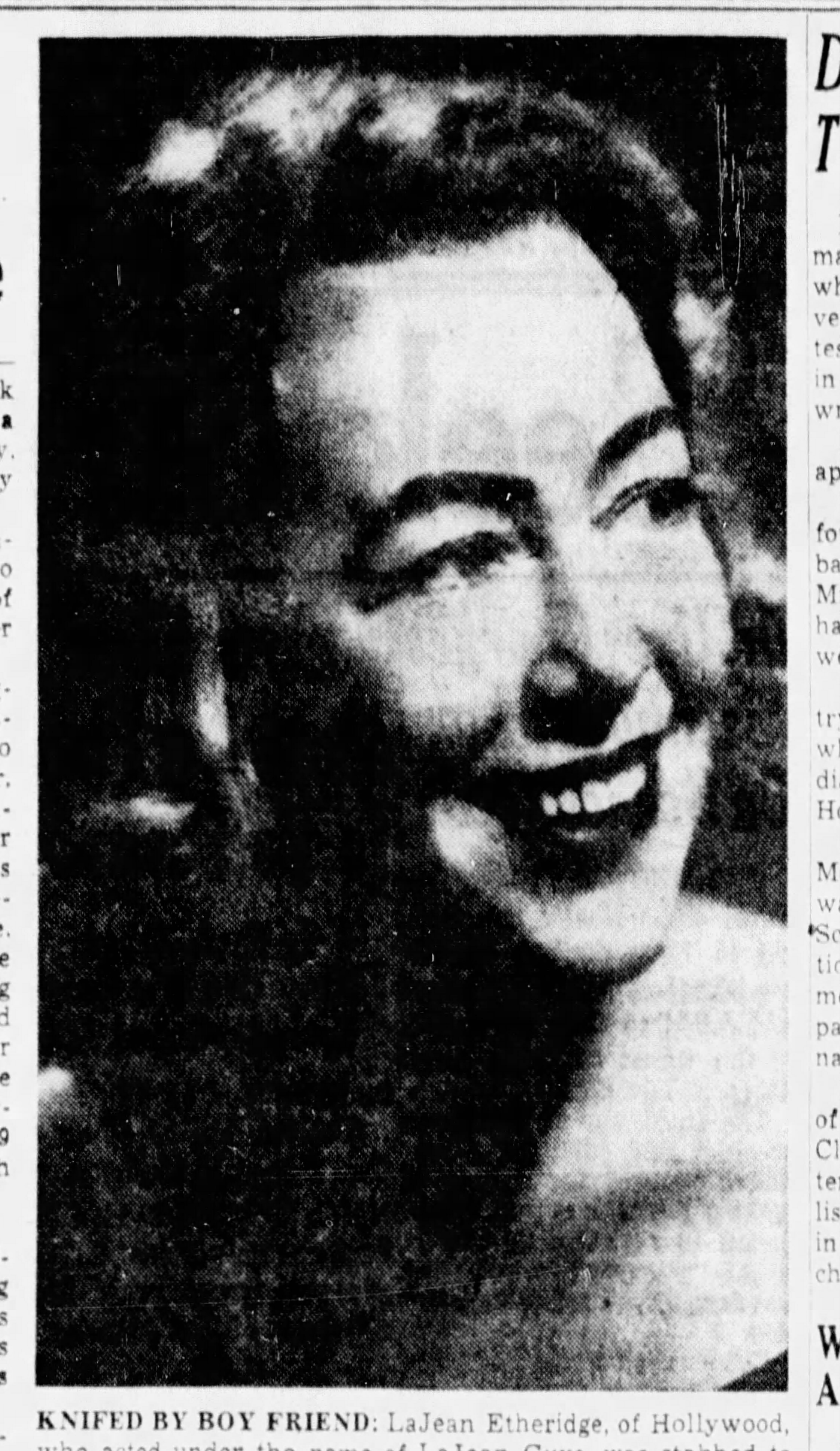
(Image credit: Albuquerque Journal)
On October 12, 1959, the Associated Press column appeared in newspapers across the country with similar headlines to this one, “Admirer Kills Young Actress In Alamo Movie.” The article reported the death of LaJean Eldridge, an actress in the John Wayne film project being shot in Bracketville, Kinney County, Texas. Ms. Eldridge, about 26 years old, had died the day before, the victim of a stabbing that took place in a rented residence that she and five male actors shared in nearby Spofford, Texas. The group were members of a little theater troupe. Eldridge had been cast in the film as “Mrs. Guy” and the alleged killer, Chester Harvey Smith, about 32 years old, was her boyfriend who had been cast as an extra in the project.
Elmer Kelton

(Image credit: AmericanCowboy.com)
Elmer was born in 1926 on the Five Wells Ranch, one of the Scharbauer ranches, in rural Andrews County, Texas. His father was Robert William “Buck” Kelton and mother was the former Neta Beatrice “Bea” Parker. Three years later, Buck took a job at the McElroy Ranch in Crane, Texas near Midland, where he would remain for 36 years. Elmer grew up on the ranch, hearing the colorful stories told by Buck and the other cowboys on the ranch.
Sam Walker, Texas Ranger

Samuel Hamilton “Sam” Walker is a Texas Ranger legend and is one of only about three dozen Rangers who are in the Texas Ranger Hall of Fame. Sam was born in Maryland on February 24, 1817 and served as a soldier for most of his adult life. His first recorded term was with the Washington City Volunteers (now Washington, D. C.) in a campaign against the Creek Indians in 1836. It is believed that he then lived in Florida where he took a railway job until he moved to Texas in 1842. He joined John Coffee “Jack” Hays’ Ranger outfit that same year, serving as a scout under Capt. Jesse Billingsley.
Continue reading Sam Walker, Texas Ranger Texas History Notebook