Edna Browning Kahly was born on January 22, 1886 to Maurice (or Morris) and Minnie Nell Jones Kahly in Milwaukee, Wisconsin. Nothing is easily found about her father, but by 1900, Minnie Nell, her mother, Edna and her sister were living with Minnie’s mother in Milwaukee. Around 1903 Edna was sent to Texas to live with relatives in Fort Worth and about three years later in 1906, she married Samuel William Gladney. Sam was born in 1877 in Commanche County to Thomas Lacy and Joyce Cathron Bowdon Gladney in 1882. Tom was a rancher there in West Texas. By 1900, Sam was 22 and living with the family in Gainesville, Cooke County, Texas.
Luther Dean Stanford
Aviation Ordnanceman 3rd Class Luther Dean Stanford served in the US Navy from September, 1943 through July, 1944. His Tours of Duty: San Diego, CA, Norman, OK, Norfolk, VA, Guantanamo Bay, Cuba. He was Killed in Action in a seaplane accident in Great Exuma, Bahama Islands, on July 1, 1944. He was posthumously awarded the following Medals: American Campaign Medal, European African Middle Eastern Campaign Medal, WWII Victory Medal.
Presley Bazelle Land
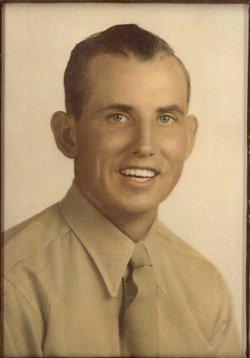
As we approach Memorial Day, we honor Presley Land of Alvord, Texas. United States Army Sergeant Presley Bazelle Land was killed on the island of Okinawa on June 17, 1945. He was the oldest son of Jessie Clarence and Sarah Isabelle Magers Land and was born in Alvord, Wise County, Texas on October 22, 1916. Jessie was a farmer and Isabelle was a housewife. Presley graduated from Alvord High School around 1933 and married the former Vera Katherine Richards on September 4, 1937. Presley had attended college for one year and was working as a clerk in Fort Worth for Convair, an aircraft manufacturer, at the time he enlisted in the service on May 24, 1943.
Jim Beck
Not much can be found in newspaper archives about recording engineer Jim Beck, perhaps due to his shortened career and untimely death, but his name is well known in the music and recording industry.
John J. Pershing
General John Joseph Pershing served in Texas immediately prior to the United States’ entry into World War I. His name might be familiar to some in Texas due to the raids into Mexico that were intended to catch the bandit Pancho Villa.
 Texas History Notebook